Car Jumper Cables, How They Work and How to Use Them
Few things are more frustrating than turning the key or pressing the start button and finding that your car will not start. A weak or discharged battery is one possible cause, and it can happen when you least expect it. In situations like this, jumper cables can provide a practical temporary solution, especially when a workshop is not nearby.
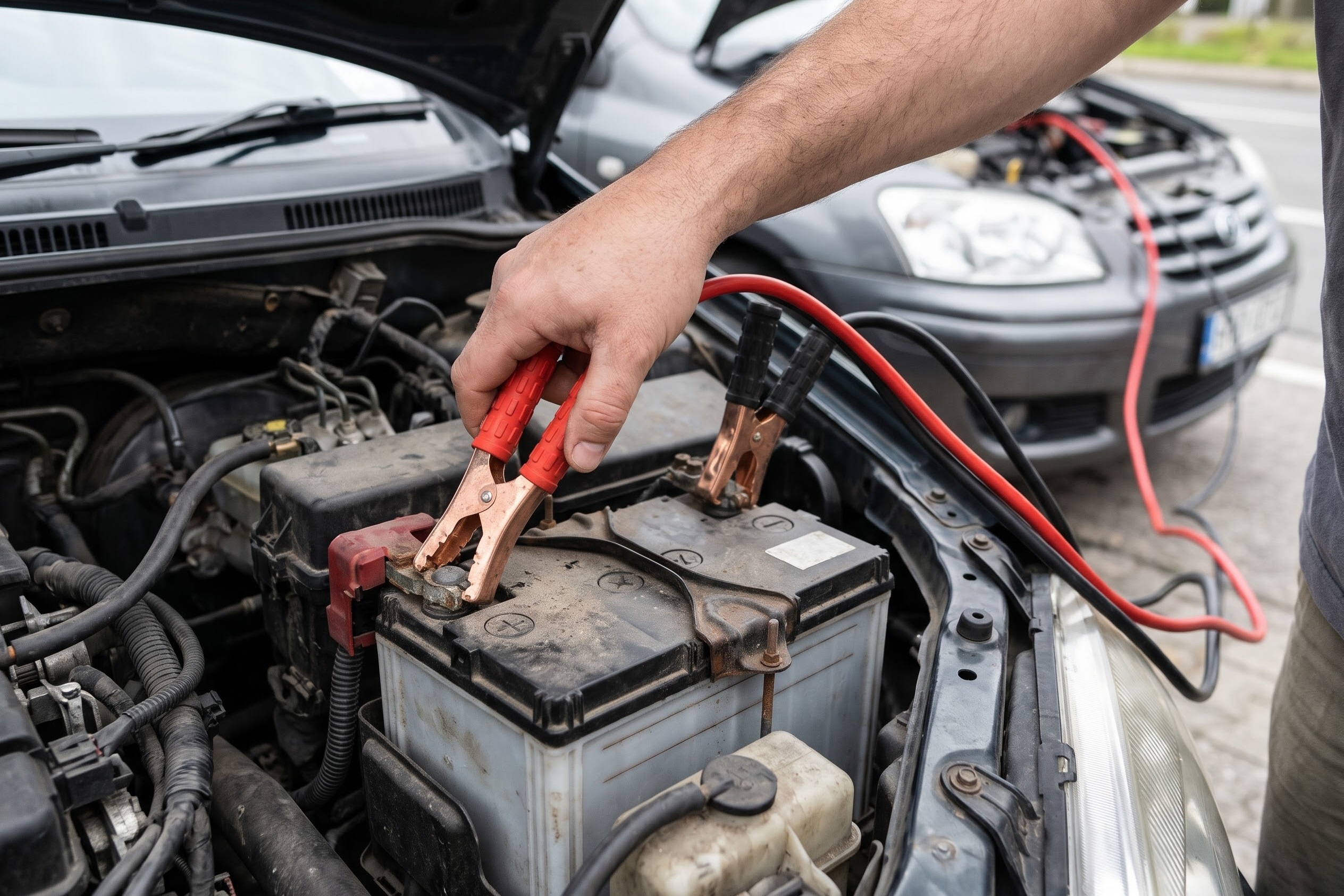
Jumper cables transfer electrical power from a working battery to a vehicle with a weak battery, providing enough power to start the engine. They typically come with thick insulated wires and two pairs of clamps, with red indicating the positive (+) terminal and black indicating the negative (-) connection. Although the equipment looks simple, choosing the right cables and connecting them correctly are essential to avoid short circuits and electrical damage.
A discharged car battery is not always a sign that the battery itself has reached the end of its service life. Leaving a car unused for extended periods, forgetting to switch off the lights, or running electrical accessories while the engine is off can drain the battery. A faulty alternator or charging system may also be responsible, particularly when the same problem keeps returning after the battery has been recharged or replaced.
Before jump-starting a car, park both vehicles in a safe location without allowing them to touch. Switch off both engines and turn off electrical accessories, including the air conditioning, lights, and audio system. Check the condition of the batteries as well. Never attempt to jump-start a battery that is cracked, leaking, or swollen, as this can create serious safety risks.
The correct connection sequence matters. Attach the red clamp to the positive terminal of the discharged battery, then connect the other red clamp to the positive terminal of the donor battery. Next, attach the black clamp to the donor battery's negative terminal. Connect the remaining black clamp to an appropriate unpainted metal grounding point on the vehicle with the weak battery, rather than directly to its negative terminal. Always consult the vehicle owner's manual, as some modern cars have designated jump-start connection points.
Once the cables are connected correctly, start the donor vehicle and wait a few minutes before attempting to start the vehicle with the weak battery. If the engine starts, remove the cables in reverse order, beginning with the black clamp connected to the previously disabled vehicle, followed by the donor vehicle's black clamp, the donor vehicle's red clamp, and finally the red clamp on the vehicle that has started. Keep the clamps from touching one another throughout the process.
Cable quality also matters when choosing equipment for emergencies. Look for suitable wire thickness, adequate cable length, secure clamps, and heat-resistant insulation. Cables around three metres long or longer can provide greater flexibility when positioning the vehicles. A lower American Wire Gauge (AWG) number generally indicates a thicker cable, although the required current capacity should still match the vehicle's specifications.
Getting the engine running again does not necessarily mean the battery problem has been solved. Jumper cables provide temporary assistance for starting the engine, but the battery's ability to retain charge and the condition of the charging system still need to be checked. If starting problems return, have the battery, alternator, and electrical system inspected. Jump-starting is a temporary measure, not a permanent fix for a damaged battery.
INDONESIA 🇮🇩
Aki Mobil Tekor? Kenali Fungsi Kabel Jumper dan Cara Pakainya
Mobil yang mendadak tidak bisa distarter bisa merusak rencana perjalanan, apalagi kalau kejadiannya jauh dari bengkel. Salah satu penyebab yang cukup umum adalah aki kehilangan daya. Dalam situasi seperti ini, kabel jumper bisa menjadi pertolongan pertama untuk menghidupkan mesin tanpa harus langsung memanggil towing.
Kabel jumper berfungsi menyalurkan listrik dari aki mobil lain yang masih berfungsi ke mobil dengan aki lemah. Perangkat ini biasanya terdiri dari sepasang kabel berisolasi tebal dengan klem merah untuk terminal positif (+) dan hitam untuk terminal negatif (-). Meski bentuknya sederhana, pemilihan kabel dan cara pemasangannya perlu diperhatikan karena kesalahan sambungan bisa memicu korsleting atau merusak sistem kelistrikan.
Aki tekor sendiri tidak selalu disebabkan oleh komponen yang sudah tua. Mobil yang terlalu lama tidak digunakan, lampu atau aksesori listrik yang tertinggal dalam kondisi menyala, hingga penggunaan perangkat elektronik saat mesin mati bisa membuat daya aki berkurang. Masalah pada alternator atau sistem pengisian juga perlu dicurigai, terutama jika aki berulang kali kehilangan daya meski baru diisi atau diganti.
Sebelum melakukan jumper aki mobil, parkirkan kedua kendaraan di tempat yang aman dan pastikan keduanya tidak saling bersentuhan. Matikan mesin serta seluruh perangkat listrik, termasuk lampu, AC, dan audio. Periksa juga kondisi fisik aki. Jika terlihat retak, bocor, atau menggembung, jangan memaksakan proses jumper karena berisiko menimbulkan bahaya.
Urutan pemasangan kabel tidak boleh terbalik. Hubungkan klem merah ke terminal positif aki mobil yang bermasalah, kemudian ujung merah lainnya ke terminal positif aki donor. Berikutnya, pasang klem hitam ke terminal negatif aki donor dan hubungkan ujung hitam terakhir ke titik ground berupa bagian logam kendaraan yang tidak bercat pada mobil bermasalah. Pastikan prosedur tersebut sesuai dengan buku manual kendaraan, sebab beberapa mobil modern memiliki titik sambungan khusus untuk proses jump-start.
Setelah kabel terpasang dengan benar, hidupkan mesin mobil donor dan tunggu beberapa menit sebelum mencoba menyalakan mobil yang akinya lemah. Jika mesin berhasil hidup, lepaskan kabel secara berurutan dengan membalik proses pemasangan, dimulai dari klem hitam pada mobil yang sebelumnya bermasalah, kemudian klem hitam pada mobil donor, klem merah pada mobil donor, dan terakhir klem merah pada mobil yang sudah menyala. Jangan biarkan klem saling bersentuhan selama proses berlangsung.
Kualitas kabel jumper juga menentukan seberapa praktis perangkat ini digunakan saat darurat. Perhatikan ketebalan kabel, panjang yang memadai, kekuatan klem, serta lapisan isolasi yang tahan panas. Kabel dengan ukuran yang sesuai kebutuhan kendaraan dan panjang sekitar tiga meter atau lebih bisa memudahkan penempatan kedua mobil. Angka gauge yang lebih kecil umumnya menunjukkan kabel lebih tebal, tetapi kapasitas arus yang direkomendasikan tetap perlu disesuaikan dengan kendaraan.
Mesin yang kembali menyala bukan berarti masalah aki sudah selesai. Jumper hanya membantu menyediakan daya sementara untuk menghidupkan mesin, sedangkan kemampuan aki menyimpan energi dan kondisi sistem pengisian tetap perlu diperiksa. Jika mobil kembali sulit distarter, segera periksa aki, alternator, dan sistem kelistrikan. Jangan menganggap jumper sebagai pengganti pengisian aki yang tepat atau solusi permanen untuk aki yang sudah rusak.
Share


