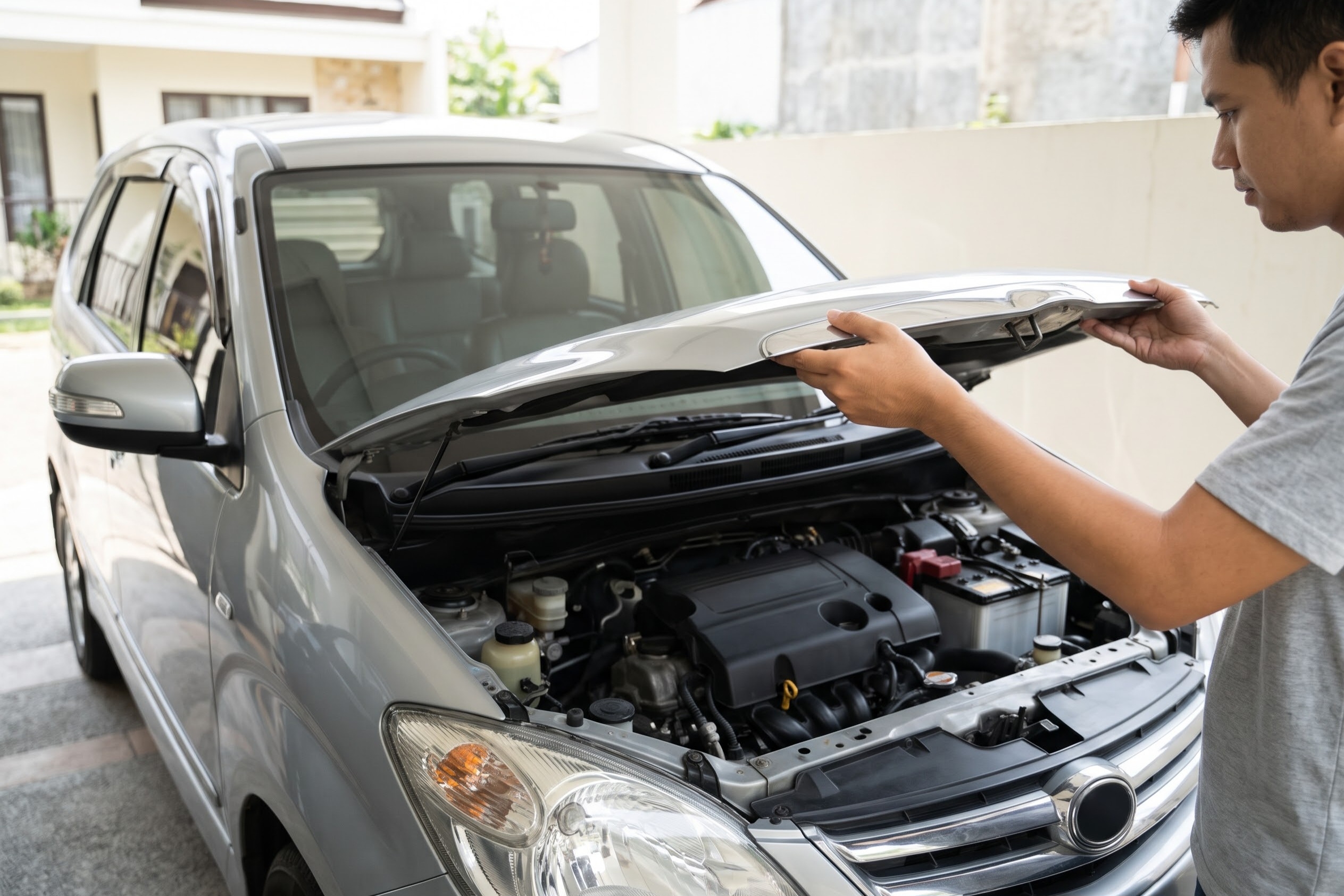
Safe Car Hood Closing Tips Every Driver Should Know
Closing a car hood seems like a routine task, especially after checking the engine oil or coolant. However, an improperly secured hood can become a serious safety hazard. If it lifts while the car is moving, it may obstruct the driver's view and increase the risk of an accident.
Before closing the hood, check the engine bay for tools, cleaning cloths, gloves, or other items that may have been left behind. Make sure the oil filler cap, coolant reservoir cap, and windshield washer fluid cap are securely fitted. Loose caps can cause leaks, while forgotten tools may damage components when the engine is running.
The hood support also needs attention. If your car uses a manual support rod, release it carefully and return it to its retaining clip before lowering the hood. Cars equipped with hydraulic hood struts generally do not require this step, but the hood should still be handled carefully.
For a conventional hood, lower it until it is approximately 30 cm above the closed position, then release it firmly enough for the latch to engage. Avoid pushing down excessively on the hood, as unnecessary pressure can damage the panel or its paintwork. However, the recommended closing method may vary by vehicle, so the owner's manual remains the best reference.
Once the hood is closed, inspect the edges and check whether the panel sits evenly with the surrounding bodywork. If one side appears raised or the hood feels loose, open it again and repeat the process. Never assume the latch has engaged simply because the hood appears closed.
Modern vehicles may also have a hood-open warning on the instrument cluster. If the warning remains illuminated after starting the car, stop safely and check the locking mechanism before continuing. A hood that repeatedly refuses to latch may require professional inspection rather than additional force.
These checks are particularly relevant after routine engine-bay maintenance, when the hood is opened and closed more frequently than usual. If you notice fluid leaks, unusual engine noises, or persistent problems with the hood latch, have the vehicle inspected by a qualified technician before the issue develops into a more serious problem.
INDONESIA 🇮🇩
Jangan Asal Banting, Begini Cara Menutup Kap Mesin Mobil
Menutup kap mesin terlihat seperti pekerjaan sederhana, terutama setelah memeriksa oli atau coolant. Namun, kap yang tidak terkunci sempurna bisa menjadi masalah serius saat mobil berjalan. Jika terangkat tiba-tiba, kap mesin dapat menghalangi pandangan pengemudi dan meningkatkan risiko kecelakaan.
Sebelum menutup kap, periksa ruang mesin untuk memastikan tidak ada kunci, obeng, kain lap, sarung tangan, atau benda lain yang tertinggal. Pastikan tutup pengisian oli, reservoir coolant, dan cairan washer sudah terpasang rapat. Tutup yang longgar bisa memicu kebocoran, sementara perkakas yang tertinggal berisiko merusak komponen ketika mesin bekerja.
Penyangga kap juga perlu diperhatikan. Jika mobil menggunakan batang penyangga manual, lepaskan dari dudukannya lalu kembalikan ke klip penyimpanan sebelum menurunkan kap. Mobil dengan penyangga hidrolik umumnya tidak memerlukan langkah ini, tetapi kap tetap perlu ditangani dengan hati-hati.
Pada kap mesin konvensional, turunkan hingga posisinya sekitar 30 cm dari titik tertutup, lalu lepaskan agar mekanisme pengunci bekerja. Hindari menekan kap terlalu keras dari atas karena tekanan berlebihan bisa merusak panel atau lapisan cat. Metode penutupan dapat berbeda antar model mobil, sehingga buku manual kendaraan tetap menjadi acuan utama.
Setelah kap tertutup, periksa celah di sekelilingnya dan pastikan posisinya rata dengan panel bodi di sekitarnya. Jika salah satu sisi masih terangkat atau kap terasa longgar, buka kembali dan ulangi prosesnya. Kap yang terlihat rapat belum tentu sudah terkunci sempurna.
Pada mobil modern, status kap mesin terkadang ditampilkan melalui indikator di instrument cluster. Jika peringatan kap terbuka masih muncul setelah mesin dinyalakan, berhenti di tempat yang aman dan periksa mekanisme penguncinya sebelum melanjutkan perjalanan. Kap yang terus sulit terkunci sebaiknya diperiksa teknisi, bukan dipaksa menutup dengan tenaga lebih besar.
Pemeriksaan ini relevan terutama setelah servis ringan atau pengecekan ruang mesin di rumah, ketika kap lebih sering dibuka dan ditutup. Jika ditemukan kebocoran cairan, suara mesin tidak biasa, atau masalah pada pengunci kap yang terus berulang, lakukan pemeriksaan di bengkel sebelum kerusakannya berkembang menjadi persoalan yang lebih serius.
Share


